

 By
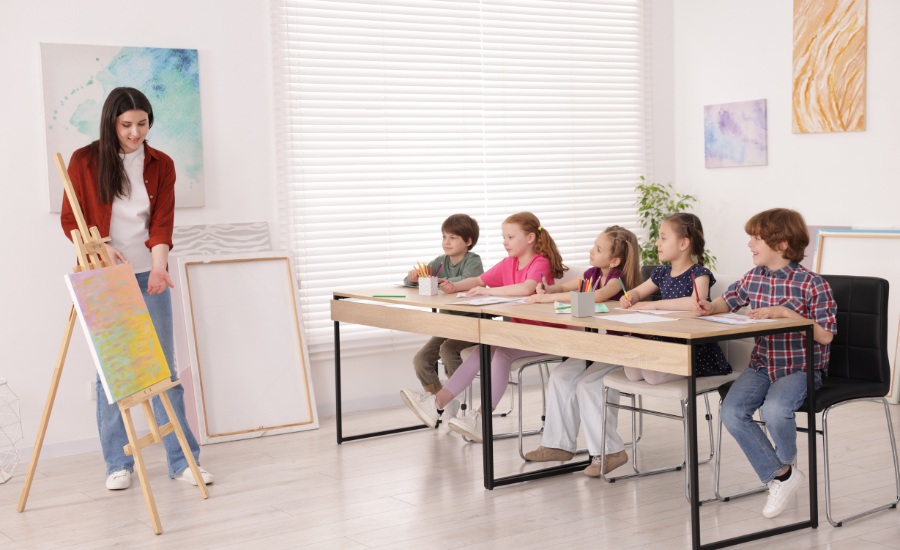
By Creative activities play a vital role in a child’s overall development, and art education is one of the most effective ways to support both cognitive and physical growth. Participating in Art classes in Miami allows children and beginners to explore creativity while developing essential skills that support daily activities and academic learning. Among the many benefits of art education, one of the most important is the improvement of fine motor skills.
Fine motor skills involve the coordination of small muscles in the hands, fingers, and wrists. These muscles are responsible for precise movements such as writing, drawing, cutting with scissors, buttoning clothes, and handling small objects. Drawing Classes for beginners often incorporate activities that naturally strengthen these skills through regular practice and creative exploration.
Understanding Fine Motor Development
Fine motor development begins early in childhood and continues to improve with practice and experience. Activities that require controlled hand movements help strengthen the muscles used for delicate tasks. Art is particularly effective because it combines hand movement, visual focus, and creativity in a fun and engaging way.
When children participate in artistic activities such as drawing, painting, or crafting, they repeatedly use small hand muscles. Over time, these repeated actions increase muscle strength, coordination, and control.
Strengthening Hand Muscles Through Art
Many art activities require students to hold and control tools such as pencils, brushes, crayons, and markers. These tools encourage the development of proper grip and finger control.
For example, sketching shapes or outlining drawings requires steady hand movements. Coloring within lines also helps children practice controlling pressure and direction. As students attend Art classes in Miami, these repeated actions gradually strengthen their hands and improve endurance for tasks like writing or typing.
Improving Hand-Eye Coordination
Hand-eye coordination is the ability to synchronize visual input with hand movements. Art activities naturally encourage this coordination. When students attempt to draw what they see or follow specific patterns, their brains guide their hands to replicate shapes and lines accurately.
In Drawing Classes for beginners, exercises such as tracing, shading, and copying simple objects help students develop this coordination. Over time, their movements become more precise, making it easier to perform everyday tasks that require accuracy.
Enhancing Control and Precision
Art encourages slow, controlled movements that help improve accuracy. Drawing fine details, creating patterns, or painting small areas requires careful control of the fingers and wrist.
These activities train students to manage the pressure they apply to tools and improve their ability to make deliberate movements. Such control is extremely valuable when children begin learning handwriting or working on tasks that require concentration and precision.
Encouraging Creative Motor Practice
One of the reasons art is so effective for motor skill development is that it feels enjoyable rather than repetitive. Children often see art as play rather than practice, which keeps them motivated and engaged.
Working with different materials such as clay, paper, paint, and colored pencils encourages a variety of hand movements. Pinching, rolling, shaping, and cutting all contribute to strengthening finger muscles and improving dexterity.
Building Confidence Alongside Skills
As students improve their artistic abilities, they also develop confidence in their physical skills. Completing a drawing or artwork gives them a sense of achievement, which motivates them to continue practicing.
Confidence plays an important role in learning. When students feel capable of creating something meaningful, they are more willing to experiment, try new techniques, and challenge themselves with more detailed work.
Long-Term Development Benefits
The benefits of art education extend far beyond creative expression. Improved fine motor skills help children perform better in school and everyday life. Writing becomes easier, concentration improves, and tasks requiring precision feel less challenging.
By participating in structured Art classes in Miami, beginners can gradually build these important abilities while enjoying the creative process. Drawing Classes for beginners provide a supportive environment where students can practice hand control, develop coordination, and strengthen the muscles needed for detailed work.
Conclusion
Art education offers far more than creative enjoyment—it plays a significant role in physical and cognitive development. Through drawing, painting, and hands-on creative activities, students strengthen the small muscles in their hands and improve coordination and control. For beginners and young learners alike, art classes provide an engaging pathway to develop fine motor skills while nurturing creativity and confidence.