

 By
Learning to read sheet music can seem intimidating when you’re just starting your musical journey. Rows of lines, dots, symbols, and unfamiliar markings may look like a complicated language. However, once you understand the basics, reading music becomes an exciting skill that opens up countless opportunities to explore different songs, styles, and instruments.
Whether you’re interested in playing the piano, learning guitar, or developing your singing abilities, understanding sheet music can help you become a more confident musician. The secret is to take things one step at a time rather than trying to learn everything at once.
Start by Understanding the Musical Staff
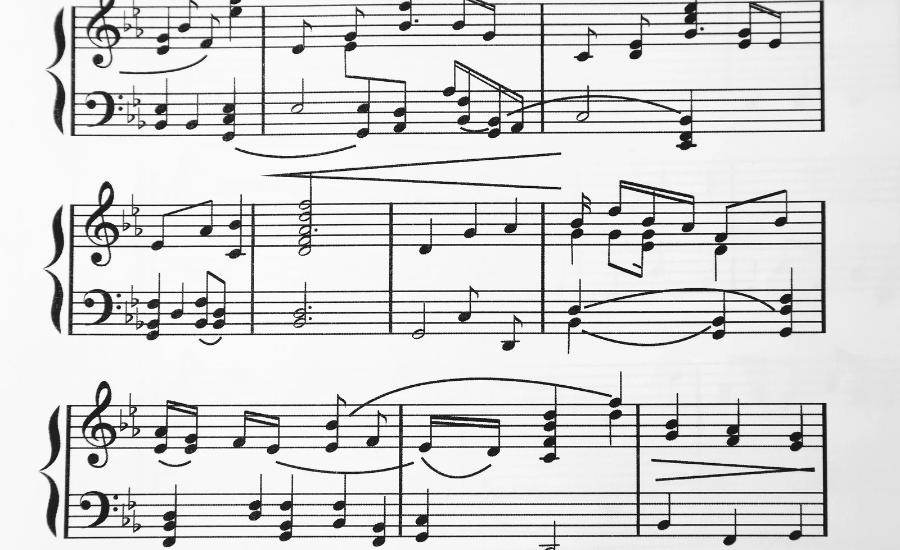
The musical staff is the foundation of written music. It consists of five horizontal lines and four spaces, with each position representing a different musical note.
Notes are placed either on the lines or in the spaces, helping musicians identify which sounds to play. At first, remembering all these positions might take some practice, but simple exercises and repetition can make the process much easier.
You will also come across two important symbols called clefs:
- Treble Clef: Commonly used for higher-pitched notes, including those played by the right hand on a piano.
- Bass Clef: Generally used for lower-pitched notes, often played by the left hand on a piano.
Understanding these symbols gives you a starting point for reading musical notation.
Learn Notes Gradually Instead of Memorizing Everything
One common mistake beginners make is trying to memorize every musical note immediately. This can make learning unnecessarily stressful.
Instead, start with a few notes and gradually expand your understanding. Practice identifying notes on the staff, saying their names aloud, and connecting them with the corresponding sounds on your instrument.
For example, if you’re attending guitar classes, you can begin by understanding how written notes relate to the strings and frets of your guitar. This practical connection makes music theory easier to understand because you’re not simply memorizing symbols; you’re learning how they translate into actual music.
Understand Rhythm Before Playing Complete Songs
Reading music isn’t just about knowing which notes to play. It’s equally important to understand how long each note should last.
Musical notation uses different symbols to indicate duration. Whole notes, half notes, quarter notes, and eighth notes each represent different rhythmic values.
A good way to develop this skill is by clapping simple rhythms before attempting to play them on an instrument. You can also use a metronome to maintain a steady beat.
Once you become comfortable recognizing basic rhythms, reading and playing simple musical compositions becomes much easier.
Practice with Simple Songs You Already Know
Learning sheet music becomes more enjoyable when you connect it with familiar melodies.
Choose a simple song you already recognize and find its written notation. Try identifying the notes, following the rhythm, and playing the melody slowly.
Because you already know how the song sounds, you can compare your performance with the original melody and identify mistakes more easily.
Don’t worry about playing everything perfectly at first. Focus on understanding the notation and gradually improving your accuracy.
Make Learning Music a Consistent Habit
You don’t need to spend hours studying sheet music every day. Even 15–20 minutes of focused practice can help you make steady progress.
Here are a few simple habits worth developing:
- Spend a few minutes identifying notes on the musical staff.
- Practice reading short musical phrases instead of entire compositions.
- Clap rhythms before playing them on your instrument.
- Review previously learned notes regularly.
- Try reading a new, simple piece of music every week.
Consistency is far more valuable than occasional, lengthy practice sessions.
Learn with the Right Guidance
Although online tutorials and beginner resources can help, learning with an experienced music teacher can make the process considerably smoother. A structured learning environment allows students to understand musical concepts, receive practical feedback, and correct mistakes before they become habits.
If you’re exploring the best music classes in Mumbai, look for a learning environment that balances music theory with practical instrument training. Whether you’re interested in piano, vocals, or guitar classes, the right guidance can help you develop a strong musical foundation without feeling overwhelmed.
Enjoy the Journey, One Note at a Time!
Reading sheet music is a skill that develops gradually through curiosity, practice, and patience. You don’t need to understand every symbol or play complicated compositions from day one. Start with the basics, celebrate small improvements, and gradually challenge yourself with new musical pieces.
At DEY’Z MUSIC, students can explore their musical interests through guided learning and practical training. With the right approach, those unfamiliar notes on a page can soon become melodies you love playing.