

 By
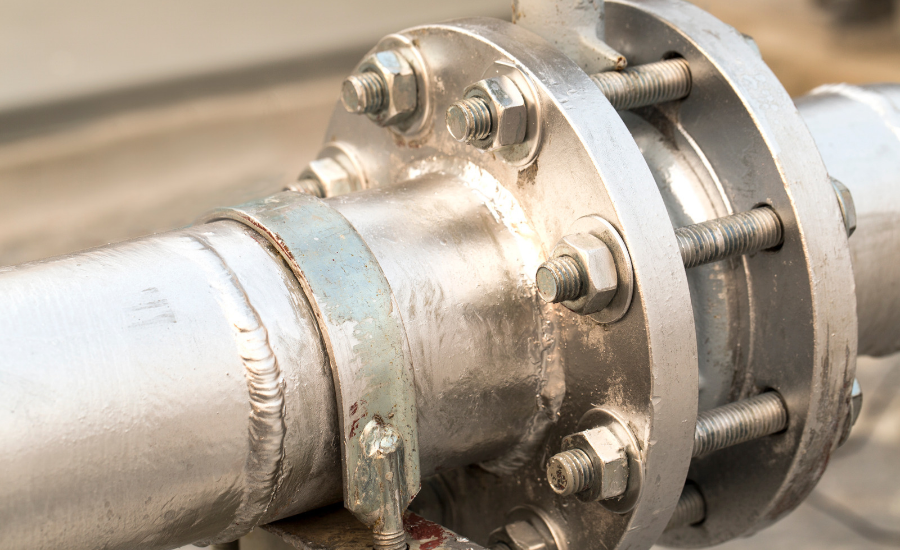
When selecting flanges for industrial piping systems, it is easy to assume that two flanges with the same nominal pipe size will fit together perfectly. However, matching sizes do not necessarily guarantee compatibility. Differences in pressure ratings, dimensional standards, facing types, material grades, and bolt-hole arrangements can prevent two flanges from being safely connected.
Understanding these differences is essential for engineers, procurement professionals, and maintenance teams looking to maintain reliable piping connections. Working with experienced flanges manufacturers in India can also help ensure that the selected components meet the required technical specifications.
1. Different Flange Standards
One of the most common reasons two flanges with the same nominal size may not be interchangeable is that they are manufactured according to different standards.
Common flange standards include ASME B16.5, EN 1092-1, and relevant IS standards. Although these standards cover similar applications, their dimensional requirements may differ.
For example, two DN 100 or 4-inch flanges may have different outside diameters, bolt-circle diameters, or bolt-hole sizes depending on the standard followed. Even a small dimensional difference can make alignment difficult or prevent proper assembly.
Before purchasing replacement flanges, always verify the applicable standard rather than relying solely on the nominal size.
2. Pressure Ratings and Classifications
Flanges are designed to operate under specific pressure and temperature conditions. Their pressure ratings may be expressed using classifications such as ASME Class 150, 300, and 600, or pressure designations such as PN 10, PN 16, and PN 40 under applicable European standards.
These classifications are not directly interchangeable based on their numbers alone. For instance, ASME Class 150 does not automatically correspond to PN 16 in every application.
Even when two flanges have matching nominal sizes, their pressure-temperature ratings and dimensional requirements may differ. Always check the relevant standard and operating conditions before selecting a compatible connection.
3. Facing Types and Gasket Compatibility
The flange facing determines how the gasket sits between two connecting surfaces. Common facing types include raised face (RF), flat face (FF), and ring-type joint (RTJ).
Two flanges with identical nominal sizes and bolt patterns may still be unsuitable for direct connection if their facing arrangements are incompatible.
The gasket must match the facing geometry, operating pressure, temperature, and process medium. Incorrect combinations can compromise sealing performance and increase the risk of leakage.
Therefore, inspect the facing type of both flanges and confirm that the proposed gasket is suitable for the complete connection.
4. Material Grades and Corrosion Resistance
Material selection is another important consideration. Flanges may be manufactured from carbon steel, stainless steel, alloy steel, or other materials depending on the application.
Two flanges of the same size may have different mechanical properties, corrosion resistance, and temperature capabilities because of their material grades.
For example, a flange suitable for a general-purpose water line may not be appropriate for a high-temperature process or a corrosive chemical application.
Check the material specifications, applicable product standard, and service requirements before approving a replacement component.
5. Bolt-Hole Alignment and Dimensions
Correct bolt-hole alignment is essential for assembling a flange joint. Differences in bolt-circle diameter, hole diameter, bolt quantity, or flange thickness can prevent proper installation.
Never force misaligned flanges together or modify bolt holes without an approved engineering assessment. Such adjustments can affect joint integrity and create unnecessary safety risks.
Reliable flanges suppliers should provide accurate dimensional details and product documentation to help buyers verify compatibility before ordering.
How to Choose the Right Flanges
Before purchasing flanges for a new installation or replacement project, check the following details:
- Nominal size: Confirm the required pipe size and flange designation.
- Manufacturing standard: Verify the applicable ASME, EN, or IS standard.
- Pressure rating: Consider operating pressure and temperature.
- Facing type: Match the flange faces and select a suitable gasket.
- Material grade: Ensure compatibility with the process medium and service conditions.
- Dimensions: Check the outside diameter, bolt circle, bolt holes, and thickness.
- Documentation: Review relevant material certificates and inspection records.
Experienced flanges manufacturers in India can help clarify these specifications and support the selection of products suited to project requirements.
Conclusion
Two flanges with the same nominal size may look similar but differ significantly in their dimensions, pressure ratings, materials, or sealing arrangements. Choosing components based on size alone can lead to installation difficulties, leakage, and potential safety concerns.
By verifying the applicable standards and all critical specifications, buyers can make more informed purchasing decisions. Working with dependable flanges suppliers also helps ensure that the selected products meet the technical requirements of the intended piping system.