

 By
By Haemorrhoids, commonly called piles, are swollen blood vessels in and around the anus. They are very common and, in many cases, symptoms are mild and settle without extensive treatment. However, persistent symptoms should not simply be ignored.
Understanding the signs of haemorrhoids can help you recognise when self-care may be enough and when it is sensible to seek professional advice.
What Are Haemorrhoids?
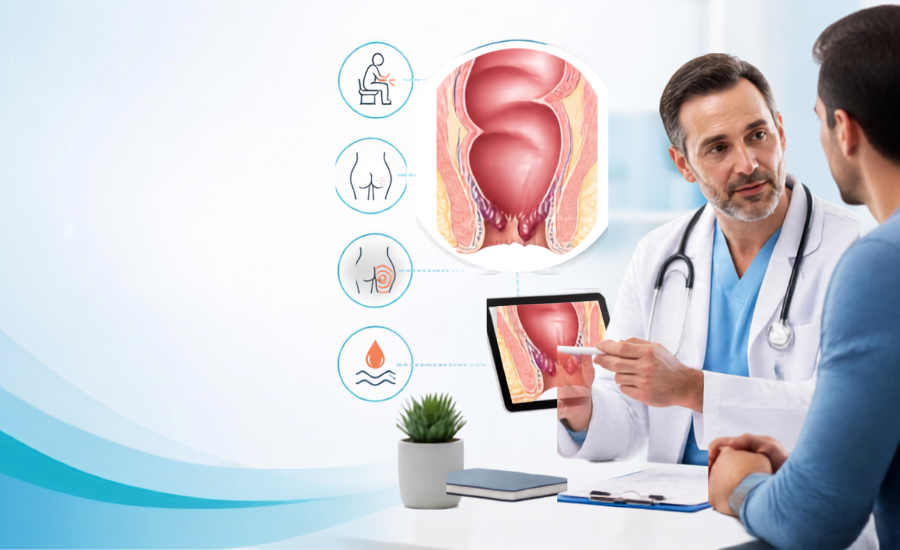
Haemorrhoids develop when the blood vessels and surrounding tissue in the lower rectum and anus become swollen. They may occur internally, inside the anus, or externally, around the opening.
Constipation and straining when passing stools can contribute to the problem. Other factors that may increase the likelihood of developing haemorrhoids include pregnancy, being overweight, heavy lifting and getting older.
Common Symptoms of Haemorrhoids
Symptoms can vary from person to person. Common signs include:
- Bright red bleeding after passing a stool
- Itching or irritation around the anus
- Pain or discomfort, particularly during bowel movements
- A lump or swelling around the anus
- A feeling that you still need to open your bowels after using the toilet
- Mucus on toilet paper or underwear
- A haemorrhoid that protrudes from the anus
Not everyone experiences all of these symptoms. Some haemorrhoids may cause little or no discomfort.
When Should You See a Doctor?
Mild haemorrhoids may improve with measures such as eating more fibre, drinking plenty of fluids, avoiding straining and keeping physically active. A pharmacist can also advise on suitable creams, treatments for constipation and other options to relieve symptoms.
However, you should arrange a medical assessment if symptoms are persistent, becoming worse, repeatedly returning or affecting your daily life.
Rectal bleeding should also be assessed rather than automatically being attributed to piles, as bleeding can have other causes. Your GP or specialist can determine whether further investigation is necessary.
Is Haemorrhoids Surgery Always Necessary?
No. Surgery is only one of several possible treatment options. Depending on the severity and type of haemorrhoids, treatment may include lifestyle changes, medicines or minimally invasive procedures such as rubber band ligation, sclerotherapy or infrared coagulation.
For larger haemorrhoids or symptoms that do not improve with other treatments, Haemorrhoids Surgery may be considered. Surgical options can include haemorrhoidectomy, stapled haemorrhoidopexy and haemorrhoidal artery ligation.
Finding the Right Specialist
Living with recurring bleeding, discomfort or a protruding lump can be frustrating and embarrassing, but haemorrhoids are a common condition that specialists regularly assess and treat.
If you are experiencing ongoing symptoms and are looking for a Robotic Surgeon in Banbury, a specialist consultation can help establish the cause of your symptoms and identify the most appropriate treatment for your individual circumstances.
Don’t ignore persistent symptoms. An early assessment can help you understand your options and avoid unnecessary discomfort.