

 By
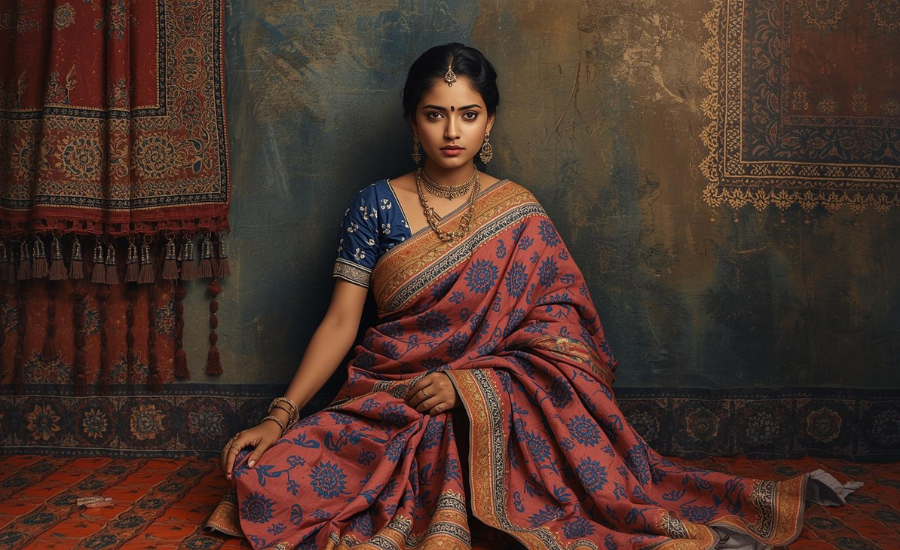
By India’s textile heritage is a living story of patience, precision, and passion—and Khatri Bandhani sarees are among its most treasured chapters. Renowned for their intricate patterns and vibrant colours, Bandhani sarees are not merely garments but expressions of centuries-old craftsmanship. At the heart of this tradition are the Khatri artisans, whose unmatched skill has preserved and elevated the art of Bandhani for generations.
At Khatri Jamnadas Bechardas, this legacy continues with pride, authenticity, and unwavering commitment to excellence.
The Legacy of Khatri Bandhani
The Khatri community has been the custodian of Bandhani art for hundreds of years, particularly in Gujarat and Rajasthan. The term “Bandhani” comes from the Sanskrit word bandh, meaning “to tie”—a reference to the meticulous tie-and-dye technique that defines these sarees.
What sets Khatri Bandhani apart is the finesse of the tying process. A single saree can contain thousands of tiny knots, each tied by hand using fine cotton thread. The precision of these knots determines the clarity, symmetry, and beauty of the final pattern—something only highly trained artisans can achieve.
The Art Behind Bandhani Sarees
Creating authentic Bandhani sarees is a labour-intensive process that demands time, patience, and mastery. The journey begins with selecting premium fabrics such as silk, georgette, or cotton. The fabric is washed and stretched before artisans mark the design using traditional tools and natural references.
Each marked point is then carefully pinched and tied to form a knot. This step, often taking several days, is the true test of an artisan’s skill. The fabric is dyed in stages, from lighter to deeper colours, allowing the patterns to emerge gradually. Once dried and untied, the fabric reveals its iconic dotted motifs—each dot a testament to the artisan’s craftsmanship.
Patterns, Colours, and Symbolism
Khatri Bandhani sarees are known for their vibrant hues and symbolic designs. Classic colours like red, yellow, green, and maroon are favoured for their auspicious significance, especially during weddings and festivals.
Traditional patterns such as chandrakala, shikari, laheriya, and khombhi are deeply rooted in cultural symbolism, representing prosperity, harmony, and celebration. These motifs are not randomly created; they are passed down through generations, ensuring continuity of design language and cultural meaning.
Preserving Authenticity at Khatri Jamnadas Bechardas
At Khatri Jamnadas Bechardas, authenticity is not a trend—it is a tradition. Every Bandhani saree reflects the brand’s respect for heritage and its dedication to preserving artisanal integrity. Skilled Khatri artisans work closely with time-honoured techniques while maintaining consistent quality and refinement.
The brand places great emphasis on ethical craftsmanship, fair practices, and the use of high-quality materials. By doing so, Khatri Jamnadas Bechardas ensures that each saree carries not just beauty, but also trust and legacy.
Bandhani Sarees in the Modern Wardrobe
While deeply traditional, Bandhani sarees have gracefully adapted to modern tastes. Today, Khatri Bandhani sarees are styled with contemporary blouses, minimalist jewellery, and fusion drapes—making them suitable for weddings, festivals, and even elegant evening occasions.
Their versatility lies in their ability to honour tradition while embracing evolving fashion sensibilities.
Conclusion
Khatri Bandhani sarees are a celebration of skilled hands, cultural pride, and timeless beauty. Every knot, dye, and motif tells a story—of artisans who have devoted their lives to preserving an extraordinary craft.